Lymphovenous bypass, also known as LVB, lymphaticovenular anastomosis or LVA, is a supermicrosurgical procedure used in selected patients with lymphedema. It involves connecting tiny lymphatic channels to nearby small veins, creating alternative drainage pathways for lymphatic fluid. These vessels are often less than a millimetre in diameter, which is why LVA requires specialised supermicrosurgical training and careful pre-operative localisation.
LVA is one of the main physiological operations used in lymphatic surgery. It aims to improve lymphatic drainage rather than remove tissue. In appropriately selected patients, it may help reduce swelling, heaviness, recurrent cellulitis or infection frequency, and dependence on compression garments. Outcomes vary between individuals, and careful assessment is required before any recommendation can be made.
Dr Jeremy Sun is a Senior Consultant plastic surgeon in Singapore with a clinical and academic focus in lymphatic surgery, microsurgical reconstruction and lymphedema care. He completed a MOH-accredited dedicated lymphedema surgery training program in Tokyo focused specifically on lymphatic surgery, supermicrosurgical LVA and complex lymphedema care.
This page provides general information on LVA surgery and should not replace a consultation with a qualified medical practitioner. Suitability, risks, recovery and outcomes vary between individuals.
What is LVB / LVA surgery?
LVB, LVA, lymphaticovenous anastomosis and lymphovenous bypass are overlapping terms for supermicrosurgical lymphatic bypass procedures. LVB is especially common in American medical contexts, where bypass terminology helps frame the operation as a recognised reconstructive medical treatment rather than a cosmetic procedure. In Singapore and much of Asia, surgeons often use LVA or lymphaticovenous anastomosis.
LVA is a form of supermicrosurgery. During the procedure, small lymphatic vessels are identified and connected to nearby venules under high magnification. These connections may allow lymphatic fluid to drain into the venous circulation, bypassing areas where lymphatic flow is impaired.
The operation is usually performed through small incisions. The number and location of bypasses depend on the patient’s lymphatic imaging, limb condition and operative findings.
LVA may also be called LVB, lymphovenous bypass, lymphaticovenular anastomosis, lymphovenous anastomosis or lymphatic bypass surgery.
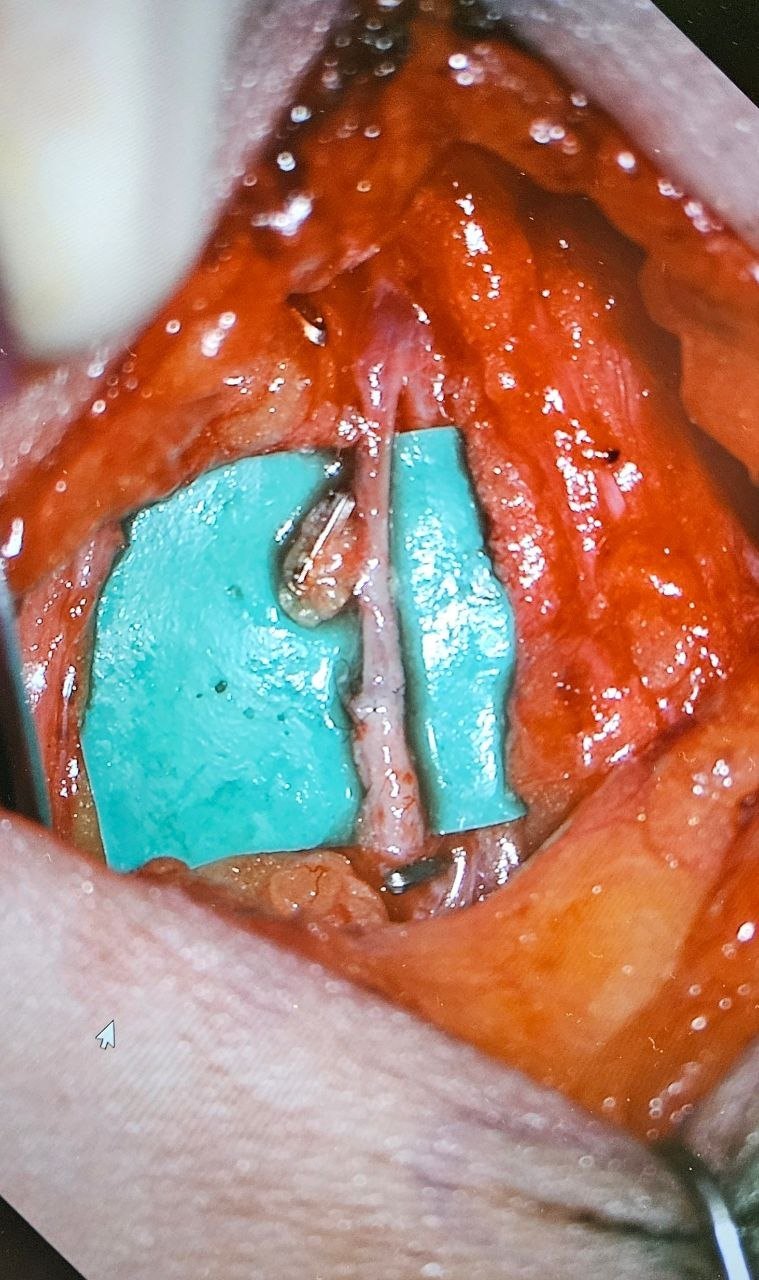
Who may be suitable for LVA?
Suitability for LVA depends on clinical assessment and lymphatic imaging. The key question is whether there are functioning lymphatic channels that can be used for bypass.
LVA is often associated with early-stage lymphedema, but stage alone is not the only factor. In Dr Sun’s practice, selected patients with more advanced lymphedema may still be suitable for LVA when the limb remains more fluid-dominant rather than solid-tissue-dominant.
A fluid-dominant limb may still contain lymphatic fluid that can be redirected through bypass surgery. By contrast, a limb dominated by scarring, fibrosis or solid tissue change may respond less predictably to LVA alone and may require additional or alternative treatment strategies.
Patients who may be considered for LVA include those with:
- arm or leg lymphedema after cancer treatment, lymph node surgery or radiotherapy
- primary lymphedema in selected cases
- persistent swelling despite appropriate compression and therapy
- recurrent cellulitis or infection
- heaviness, tightness or functional symptoms affecting daily activities
- lymphatic imaging showing channels that may be suitable for bypass
Cellulitis and recurrent infection
Recurrent cellulitis or infection is an important reason to seek surgical assessment. Lymphedema can increase infection risk because impaired lymphatic drainage affects fluid balance, tissue health and immune clearance in the affected limb.
In appropriately selected patients, lymphatic surgery may significantly reduce the risk or frequency of cellulitis. This is one of the important potential benefits of LVA, particularly for patients whose lymphedema is complicated by repeated infections.
Surgery does not remove the need for good skin care, prompt treatment of infection, and ongoing lymphedema management. Patients with fever, spreading redness, sudden worsening swelling or severe pain should seek urgent medical attention.
Is LVA only for early-stage lymphedema?
LVA is commonly described as most suitable for early-stage disease, because early lymphedema often has more functioning lymphatic channels and less irreversible tissue change. However, advanced-stage lymphedema is not automatically unsuitable. Some advanced limbs remain fluid-dominant and may still have usable lymphatic channels.
The distinction between fluid-dominant and solid-tissue-dominant disease is therefore important. A detailed examination and lymphatic imaging help determine whether LVA is likely to be useful.
Why LVA is often considered first when suitable
Where suitable lymphatic channels are present, LVA is often favoured as an initial surgical option because it is less invasive than larger reconstructive or reductive procedures. It is performed through small incisions and usually involves a shorter recovery than larger operations.
In Dr Sun’s practice, patients typically go home the next day after LVA surgery, depending on the surgical plan, anaesthetic recovery and individual clinical circumstances. Some patients may notice early decongestion, although timing and degree of improvement vary.
Earlier intervention may improve the likelihood of reducing reliance on compression garments. Some patients may be able to reduce compression use over time, while others will continue to need compression as part of long-term care.
Consultation and imaging
Assessment before LVA may include:
- medical history and cause of lymphedema
- duration and progression of swelling
- history of cellulitis or skin infections
- examination of limb volume, tissue texture and skin condition
- review of compression garment use and lymphedema therapy
- discussion of goals, expectations and limitations
- lymphatic imaging where appropriate
Imaging may include indocyanine green lymphography, high-frequency ultrasound, lymphoscintigraphy or other investigations depending on availability and clinical need. Imaging helps identify whether lymphatic channels are present, how they function, and where bypasses may be planned. Ultrasound localisation is particularly useful for mapping small veins, identifying suitable lymphatic channels or fluid planes, and planning accurate incision sites for supermicrosurgical LVA.
What happens during LVA surgery?
The exact operative plan is individualised. In general, LVA involves identifying suitable lymphatic channels and small veins, making small skin incisions over planned areas, using high magnification to connect lymphatic channels to venules, creating one or more bypasses depending on the patient’s anatomy, and closing the small incisions with dressings.
Because the vessels are extremely small, LVA requires supermicrosurgical technique, ultrasound-guided localisation where appropriate, and experience in lymphatic anatomy and imaging interpretation.
LVA is about flow, not just connections
Dr Sun’s approach to LVA was shaped by dedicated MOH-accredited fellowship training in lymphedema surgery in Japan. Earlier in his training, he had questioned whether lymphedema surgery could produce consistent results when issues such as patient selection, lymphatic imaging, pressure gradients, reflux risk and postoperative compression were not clearly addressed.
One important concept is that LVA should create useful forward drainage of lymphatic fluid, not simply a technically patent connection. If venous pressure is higher than lymphatic pressure, there may be a risk of reflux or limited effective drainage. For this reason, the recipient vein, flow direction, limb condition and compression plan all matter.
In Dr Sun’s practice, ultrasound-based planning can help identify suitable lymphatic channels and veins so that several appropriate bypasses may be performed in a single operation where anatomy permits. The number and location of bypasses should follow the patient’s imaging and operative findings rather than a fixed formula.
For the background to this approach, read why Dr Sun trained in lymphedema surgery in Japan.
Recovery and compression after LVA
Recovery after LVA is usually shorter than after larger lymphatic or reconstructive operations. Many patients can mobilise early, although the exact plan depends on the limb treated, number of incisions, anaesthetic plan and surgeon’s advice.
Patients may need wound care for small incisions, short-term activity modification, guidance on when to restart or adjust compression, follow-up appointments to monitor symptoms and limb changes, ongoing lymphedema therapy where appropriate, and continued skin care and infection prevention.
The degree and timing of improvement vary. Some patients notice early improvement, while others improve more gradually. Some patients may not experience meaningful volume reduction despite technically successful surgery.
Compression remains an important part of lymphedema care for many patients. Earlier LVA may improve the likelihood of reducing compression dependence, but this cannot be promised in advance. After surgery, compression plans should be individualised.
Risks and limitations
All surgery carries risks. Potential risks of LVA may include:
- bleeding or bruising
- infection
- wound healing problems
- scarring
- lymph leak or fluid collection
- numbness or altered sensation
- persistent swelling
- limited or no improvement
- recurrence or progression of symptoms
- need for continued compression or further treatment
- anaesthetic risks
LVA is a low-incision operation compared with larger procedures, but it is still surgery. A consultation is needed to discuss individual risks and whether the expected benefits justify treatment.
Why dedicated lymphatic surgery training matters
LVA requires more than general microsurgical ability. It involves lymphatic imaging interpretation, ultrasound localisation of suitable lymphatics and veins, disease staging, recognition of fluid-dominant versus solid-tissue-dominant disease, supermicrosurgical technique, and long-term lymphedema management.
The technical work is performed on vessels that may be smaller than those encountered in standard microsurgical reconstruction. Fellowship-level exposure to supermicrosurgical LVA helps a surgeon understand how to select incision sites, handle fragile lymphatic channels, choose suitable recipient venules, and decide when another lymphatic procedure or reductive strategy may be more appropriate.
In Dr Sun’s view, brief exposure to lymphatic surgery is often not enough to provide broad-based experience across the full spectrum of lymphedema severity. Patients considering LVA should feel comfortable asking their care provider about the nature, focus and duration of their lymphatic surgery training, including whether that training involved several months of dedicated exposure to ICG lymphography, ultrasound localisation of lymphatics, LVA planning and broader lymphedema treatment options.
A dedicated article on how to choose a lymphedema surgeon in Singapore outlines practical questions patients can ask before deciding where to seek assessment. Dr Sun has also written about how Japan fellowship training changed his view of LVA surgery, including pressure, flow, compression strategy and imaging-guided planning.
This may include asking to review certificates, training documentation and relevant experience, and doing their own due diligence before deciding where to seek treatment.
For a cleaner patient-education guide focused specifically on the procedure, see LymphedAsia: LVA surgery in Singapore — lymphovenous bypass for lymphedema.
Frequently asked questions
Is LVA the same as LVB or lymphovenous bypass?
Yes. LVA and LVB are often used for closely related lymphatic bypass procedures. LVA usually means lymphaticovenous or lymphaticovenular anastomosis, while LVB means lymphovenous bypass. LVB is common in American medical and insurance contexts; local coverage and suitability still depend on the patient’s diagnosis, insurer and specialist assessment.
Is LVA only useful for early lymphedema?
No. LVA is often associated with early-stage lymphedema, but some advanced-stage patients may still be suitable if their disease is more fluid-dominant and imaging shows usable lymphatic channels.
Can LVA reduce cellulitis?
In appropriately selected patients, lymphatic surgery may significantly reduce the risk or frequency of cellulitis. Outcomes vary, and patients should continue skin care and seek early treatment for infection symptoms.
How long is the hospital stay after LVA?
In Dr Sun’s practice, patients typically go home the next day after LVA surgery, depending on the surgical plan, anaesthetic recovery and individual clinical circumstances. This should be confirmed during consultation.
Will I still need compression after LVA?
Many patients continue compression after LVA, at least initially. Earlier intervention may improve the chance of reducing or weaning compression, but this depends on disease severity, imaging findings and response to surgery.
What if my lymphedema is mostly solid tissue or fibrosis?
If swelling is dominated by fibrosis, scarring or solid tissue change, LVA alone may be less predictable. Other treatment strategies, including reductive procedures or combined approaches, may be discussed depending on assessment.
For a broader assessment of lymphedema and the full range of surgical options, see lymphedema assessment and surgery in Singapore.