Rib rhinoplasty refers to rhinoplasty where rib cartilage is considered as a graft material for nasal support or augmentation. It is commonly discussed in Asian rhinoplasty and revision rhinoplasty when stronger structural support may be needed.
Not every rhinoplasty patient needs rib cartilage. Some patients may be better suited to septal cartilage, ear cartilage, implant-based bridge augmentation, limited refinement, non-surgical management or no surgery.
The decision depends on nasal anatomy, skin thickness, bridge and tip goals, airway symptoms, previous surgery or fillers, donor-site considerations and the patient’s tolerance for scars and recovery.
This page provides general information and should not replace consultation with a qualified medical practitioner. Suitability, risks, recovery and outcomes vary between individuals.
Rib rhinoplasty in Singapore: who this page is for
This page is for patients searching for rib rhinoplasty or rib cartilage rhinoplasty in Singapore and trying to understand why rib cartilage may be discussed for Asian nose surgery.
The key question is not whether rib cartilage is “better”. The consultation should ask whether the nose needs stronger structural support, whether simpler options are adequate, and whether donor-site risks are acceptable.
When rib cartilage may be discussed
Rib cartilage may be considered when septal or ear cartilage is insufficient for the planned change, when stronger support is needed, or when revision surgery has altered the available tissue.
- low nasal bridge with a need for substantial structural augmentation
- tip projection or support requiring stronger graft material
- revision rhinoplasty after previous implant, graft or filler history
- selected cases where septal cartilage is limited
- patients who understand donor-site scar and recovery trade-offs
Alternatives to rib cartilage rhinoplasty
Alternatives may include septal cartilage, ear cartilage, implant-based planning, combined materials, a more limited rhinoplasty or no surgery. Each option has different strengths, risks and limitations.
A patient with modest goals may not need rib cartilage. Conversely, a patient needing stronger support may not get a stable result from a smaller graft source.
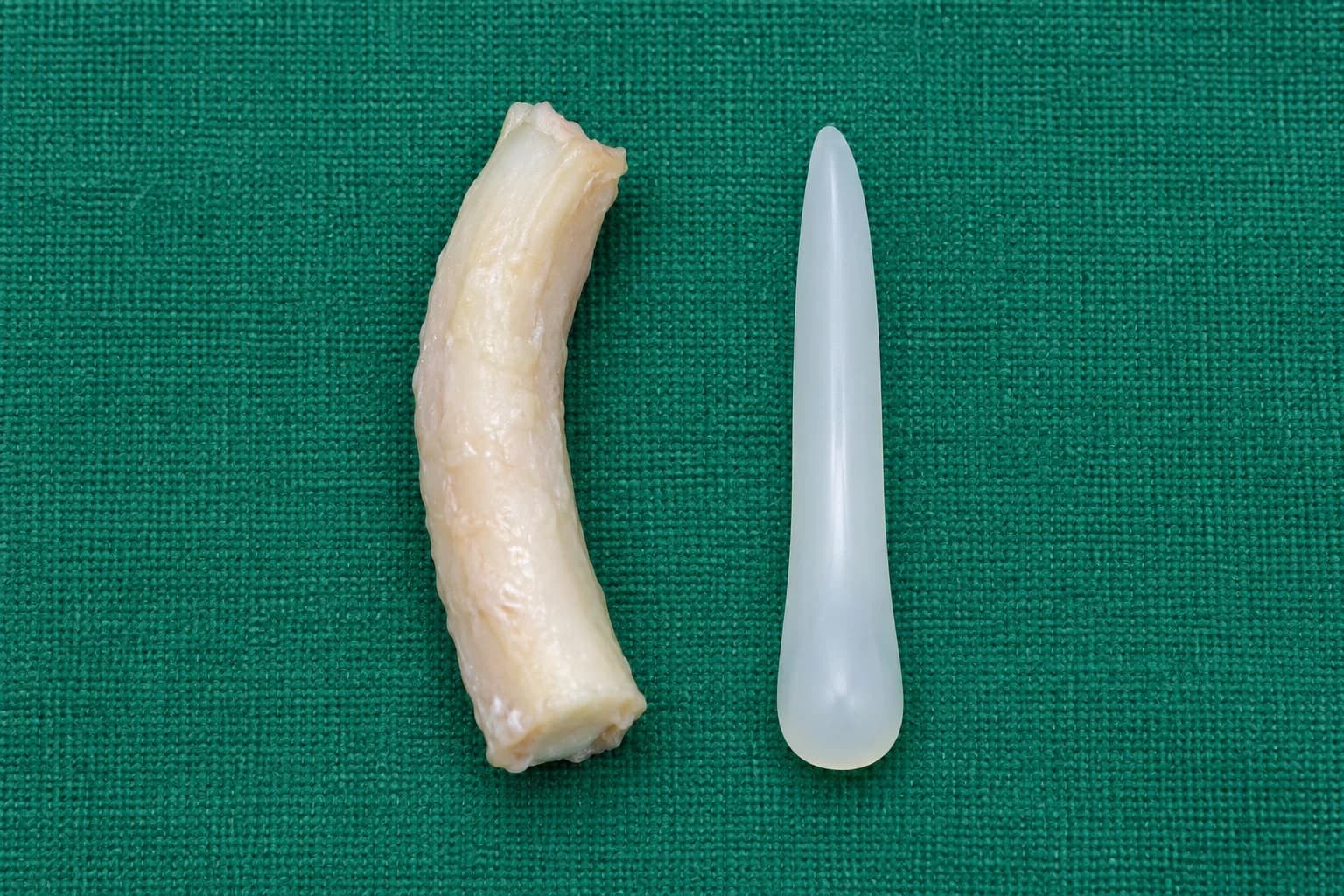
Consultation and planning for Asian rib rhinoplasty
Assessment includes facial proportions, nasal bridge, nasal tip support, nostril shape, skin thickness, septum, airway symptoms, previous fillers or surgery, photographs and discussion of graft or implant options.
Patients should understand the donor site as well as the nose. Rib harvest creates a chest-wall scar and can cause discomfort, contour changes or other donor-site issues.
Rib rhinoplasty cost factors in Singapore
Cost can vary because rib rhinoplasty may involve additional operative time, cartilage harvest, structural grafting, revision work, anaesthesia, facility, medications and follow-up. Revision cases are often more complex than primary surgery.
A quotation should follow assessment and should explain whether rib cartilage is genuinely needed, what alternatives exist, what is included and what factors may change the plan.
Recovery after rib cartilage rhinoplasty
Recovery includes nasal swelling and a separate rib donor-site recovery. Nasal tip swelling can take months to settle, especially in thicker skin or revision surgery. The rib donor site may be sore during movement, coughing or deep breathing early on.
Patients should follow wound care, activity restrictions and follow-up instructions closely. Final nasal refinement takes time and cannot be judged in the early swelling phase.
Risks and limitations
Risks include bleeding, infection, scarring, asymmetry, warping or resorption of cartilage, contour irregularity, airway symptoms, altered sensation, unsatisfactory appearance, need for revision surgery, and donor-site pain or scar concerns.
Rib rhinoplasty cannot guarantee a specific nose shape, perfect symmetry or a permanent unchanged result. Scar tissue, previous surgery, fillers and skin thickness can limit what is safely achievable.
Questions to ask before rib rhinoplasty
- Why is rib cartilage being considered in my case?
- Are septal cartilage, ear cartilage, implant-based planning or no surgery reasonable alternatives?
- Where will the rib scar be and what donor-site symptoms can occur?
- How will bridge and tip support be planned?
- How does previous filler or surgery affect the plan?
- What would make revision surgery more likely?
FAQs
What is rib rhinoplasty?
Rib rhinoplasty is nose surgery where rib cartilage is used as graft material for selected bridge, tip or structural support needs. It is sometimes discussed in Asian rhinoplasty and revision rhinoplasty.
Do all Asian rhinoplasty patients need rib cartilage?
No. Some patients may be suitable for septal cartilage, ear cartilage, implant-based planning, limited refinement or no surgery. Rib cartilage is considered when stronger or larger-volume structural support is needed.
Is rib cartilage better than an implant?
There is no single better option for every patient. Rib cartilage and implants have different roles, benefits and risks. The choice depends on anatomy, goals, skin thickness, infection risk, revision history and the need for structural support.
How much does rib rhinoplasty cost in Singapore?
Cost varies with primary versus revision surgery, complexity, cartilage harvest, anaesthesia, facility and follow-up. A quotation should follow assessment and should explain whether rib cartilage is necessary.
Will there be a rib scar?
Yes. Rib cartilage harvest requires a chest-wall incision, so a scar is expected. Scar length, position and maturation should be discussed during consultation.
Is revision rhinoplasty with rib cartilage more complex?
Often yes. Previous surgery, implants, fillers, grafts and scar tissue can alter anatomy and blood supply, making revision planning more complex and sometimes limiting what can be safely changed.
Related pages
Enquire about assessment
If you would like to discuss whether this procedure or treatment area is relevant to your situation, please submit an enquiry. A formal consultation is needed before any personalised advice can be given.